Deficit framing, and the over-correction trap
5-minute read. Strength-based, not exaggerated. Person-centred, not invented.
Across this module we have asked you to write strength-based, person-centred records. To centre what someone can do, what they want, what matters to them, alongside the support they need. That is the right instruction.
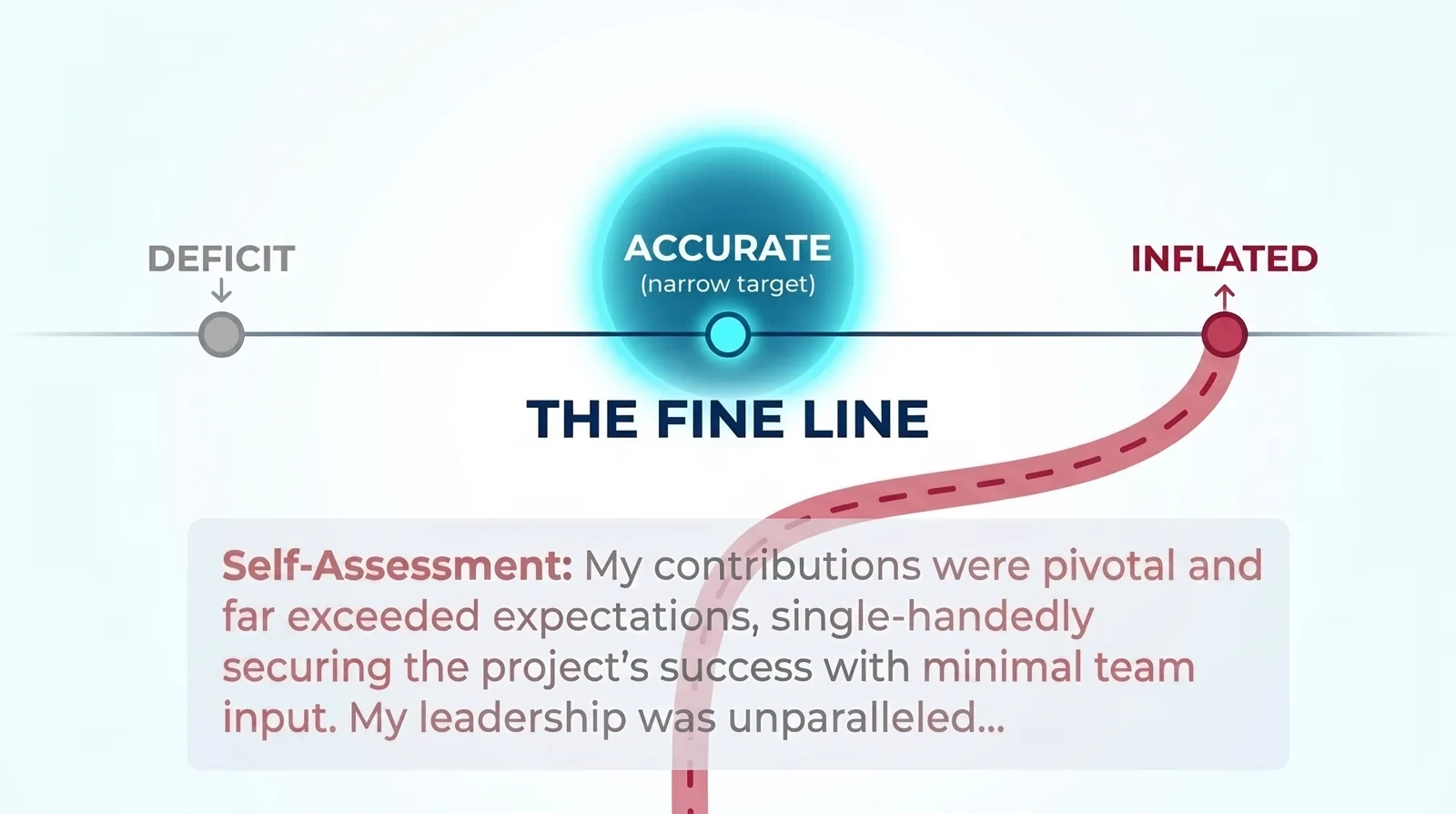
Here is the catch. AI can over-correct. When you ask it to rewrite a deficit-framed paragraph in strength-based language, it does not always stop at accurate. Sometimes it crosses a line and starts inflating what the person can do. The deficit framing is gone. So is the truth.
The Sarah example
You have written: "Sarah cannot go to the shops alone. She is unable to manage independently."
You read it back and notice the deficit framing. You ask AI to reframe it in strength-based language. Two things could come back.
Sarah is able to walk short distances on her own and enjoys getting out of the house. She needs support to make the full trip to the shops, particularly on busier days.
Sarah is independent in the community and able to manage her own shopping trips.
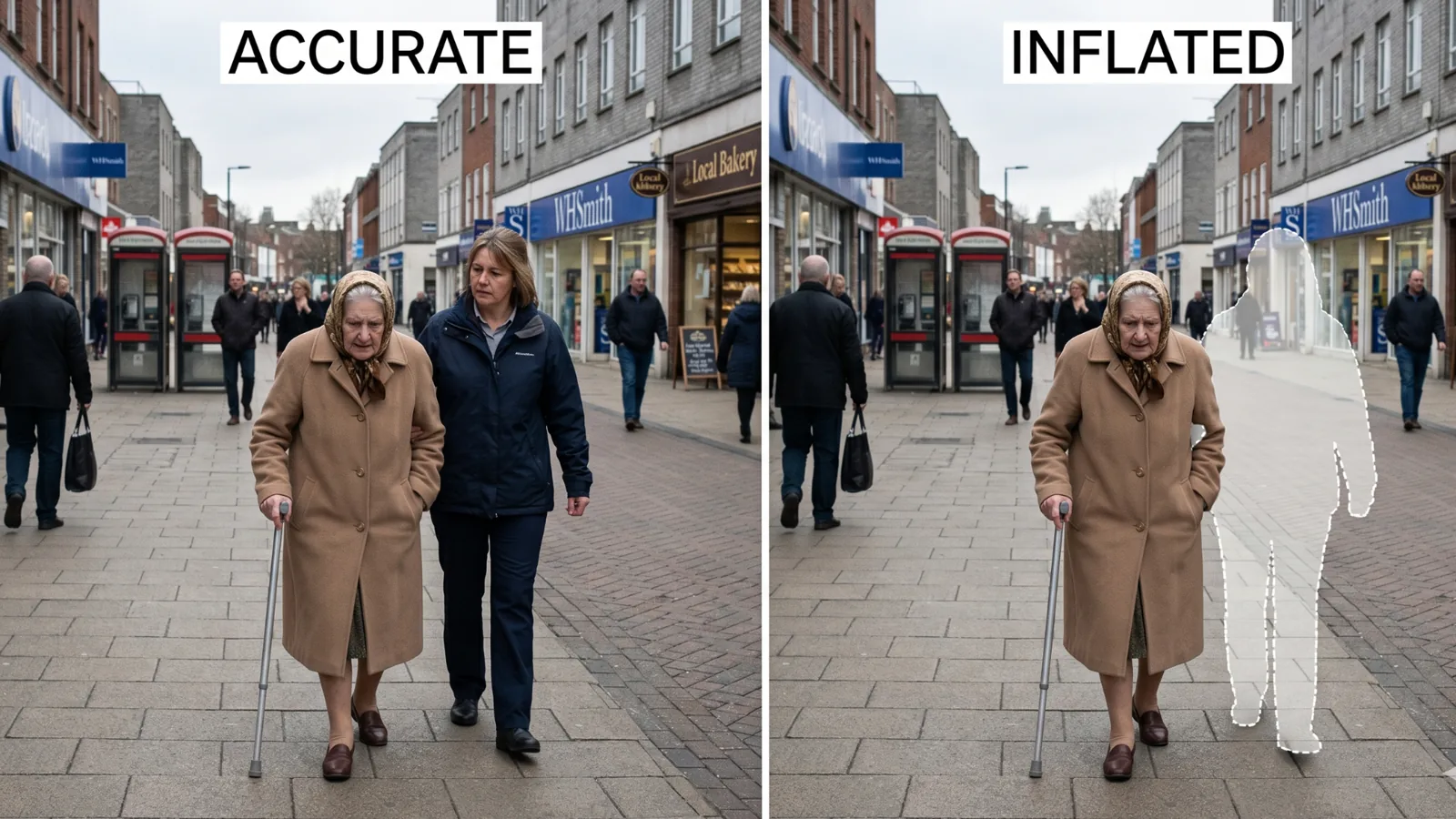
Both versions sound positive. Only one of them is true. The first is strength-based and accurate. The second is strength-based and wrong, and the consequences are not small. If that sentence lands in a Care Act review, Sarah may lose the support that makes the shopping trip possible. Strength-based language with a missing fact is not strength-based practice. It is a different kind of harm.
The fine line
The risk is the same in any reframe AI does for you.
- A child who needs prompting to attend school becomes, in the AI's optimistic register, "engaged in education".
- A father who manages contact under supervision becomes "actively involved in his children's lives".
- A person with capacity for some decisions becomes "able to make her own decisions", when what she could decide and what she could not had real distinctions.
The deficit version was wrong. The inflated version is also wrong. Accurate sits between them, and AI does not always find it.
The prompt habit: tell AI to ask, not infer
The single most useful thing you can build into your prompts is permission for AI to say "I do not know."
Add this line, in your own words, to any prompt where AI is rewriting your work:
That instruction changes the shape of what AI returns to you. Instead of a paragraph that inflates Sarah into someone she is not, you get a question back: "Your notes say Sarah can walk short distances. Should I describe her as independent in the community, or as able to walk short distances with support for the full shopping trip?"
The second version is the one you can sign your name to.
Back to VERA:H
This is where Section 3 returns. The E in VERA:H is Evidence, and evidence comes from the V, the Voice in the room: Sarah's voice, Sarah's words, Sarah's recorded ability, rather than the plausible-sounding average of what someone with Sarah's profile might be able to do.
If the evidence for a strength-based claim is not in your source material, the claim does not go in. Strength-based practice is grounded in what the person actually said and actually did, not in what AI thinks would sound nicer.
When you brief AI, name the voice. Tag the evidence. Tell it to come back to you when the source runs out. That is the discipline that holds the line between strength-based and inflated.
Pick one piece of writing where you asked AI to reframe something in strength-based language. Read the AI version next to your source notes. Is every positive claim grounded in something you actually wrote down? Or has the AI promoted the person from "can do this with support" to "can do this" somewhere along the way?